One of the hardest conversations I have with business owners doesn’t end with an approval. It ends with me telling them they shouldn’t borrow any more money.
Nobody calls hoping to hear that financing isn’t the answer. They’re looking for relief. Payroll is approaching. Vendors are waiting to be paid. Equipment has failed. Cash flow has become increasingly difficult to manage. By the time someone reaches out for financing, the pressure is usually very real. After enough years in commercial lending, though, I’ve learned that solving today’s problem isn’t always the same as improving the business. Sometimes the financing that provides temporary relief today creates a much larger problem six months from now.
When Financing Quietly Becomes the Problem
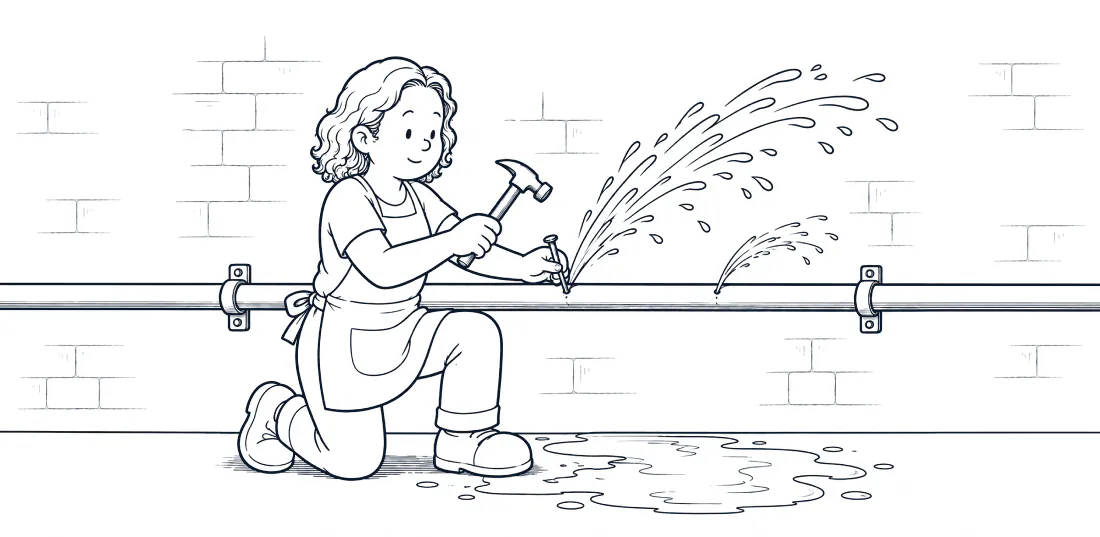
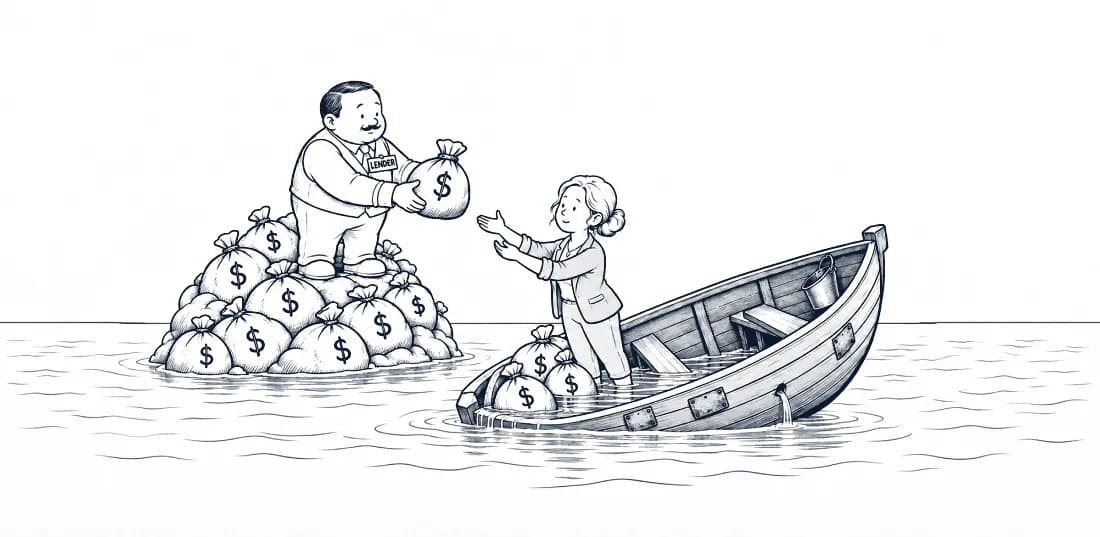
I’ve worked with businesses carrying multiple short-term funding positions, each one originally intended to solve a temporary cash-flow challenge. The first advance made sense. The second relieved the pressure created by the first. Then came the third, the fourth, and eventually so much of the company’s incoming cash was committed to debt payments that another advance felt like the only remaining option.
I’ve reviewed businesses carrying five separate funding positions, all taken at different times for good reasons. By the end, so much cash was committed to repayment that financing was no longer creating flexibility. It was removing it. Every financing decision solved yesterday’s emergency while making tomorrow’s cash flow a little tighter. Eventually the loans stopped solving the problem. They simply became another operating expense the business had to survive.
That’s one of the most difficult moments in commercial finance because everyone is looking for another approval when what the business really needs is a different conversation.
Every Business Has a Borrowing Limit
Every business has a practical limit to how much debt it can responsibly support. That limit isn’t determined by optimism or determination. It’s determined by cash flow.
Once debt payments begin consuming too much of the company’s operating income, every additional dollar borrowed becomes less effective than the one before it. The business works harder simply to service existing obligations instead of investing in inventory, equipment, employees, or growth. Borrowing more may postpone the crisis, but it rarely changes the underlying mathematics.
That’s why I’ve said for years, “Funding without a plan is death.” That may sound dramatic, but I’ve watched businesses borrow themselves into a corner one loan at a time. The financing wasn’t what destroyed the business. The absence of a plan did. Financing should support the strategy of the business. It should never become the strategy itself.
Sometimes the Best Advice Doesn’t Produce a Loan
This is where advice and sales begin moving in different directions. Someone focused only on completing transactions naturally looks for another lender willing to approve the file. Someone focused on the long-term health of the business has to ask a different question: Will another loan actually leave this business healthier six months from now?
Sometimes the answer is yes. Sometimes the answer is no. Those aren’t particularly profitable conversations to have, but they’re often the most valuable. Recommending that a business wait, reduce debt, or avoid borrowing altogether may mean walking away from a commission today. It may also be the recommendation that allows that same business to qualify for substantially better financing in the future.
A good physician doesn’t prescribe medication simply because a patient asks for it. The treatment has to fit the diagnosis. Commercial financing should work exactly the same way.
When the Conversation Changes
When financing is no longer the right answer, the conversation doesn’t end. It simply shifts in a different direction. Instead of discussing another lender, we begin looking at the business itself. Can receivables be collected faster? Can vendor terms be renegotiated? Is inventory tying up too much cash? Have margins eroded? Is there an operational problem that borrowing has been masking instead of solving?
Sometimes the problem isn’t a lending problem at all. Sometimes it’s an operational problem, a profitability problem, or a cash-flow problem that financing alone can’t fix. In those situations, the right recommendation may involve a CPA, turnaround consultant, attorney, or another professional rather than another lender. Financing isn’t the solution to every business problem, and pretending otherwise doesn’t help anyone.
Those discussions rarely produce immediate funding. They often produce healthier businesses. That’s a much better outcome.
The Goal Is a Stronger Business
Our industry often measures success by approvals. I’ve never believed that’s the right measurement.
The businesses that remain healthy over the long term aren’t necessarily the ones that borrow the most. They’re the ones that make financing decisions that strengthen the business instead of postponing difficult decisions. Sometimes that means moving forward with confidence. Sometimes it means waiting. And sometimes the most valuable advice a business owner can receive is that more money isn’t the answer.
A loan should solve a problem. It should never become the business model.
The moment financing becomes the strategy instead of supporting it, it’s time to stop looking for another lender and start fixing what’s underneath.